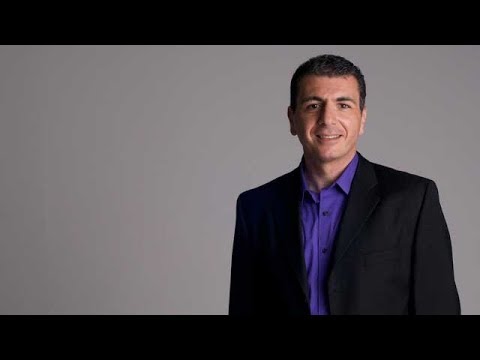
Because in these troubling times, I have moved my entire practice to only online sessions via very simple to use video conferencing tools that are HIPPA-Compliant or telephone based sessions.
Please don't hesitate to get in touch with me to learn more about these options.
There are times when life doesn’t turn out the way you had hoped. Despite your best efforts, you find yourself having to deal with difficult life challenges. You are not alone. We can help. Schedule your consult today!
We offer many counseling options including marriage counseling, couples counseling, premarital counseling, individual therapy, sex addiction therapy, trauma therapy, including EMDR for the spectrum of traumas.
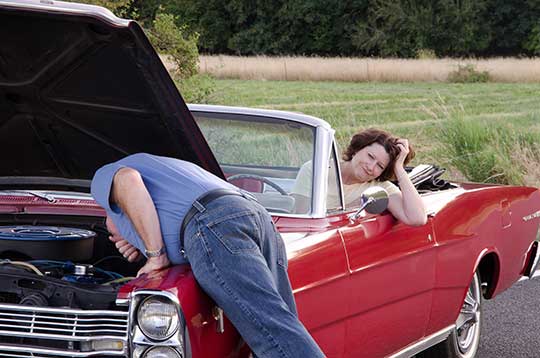
It’s always troubling when the engine light appears in our car. There are two kinds of drivers: those who regularly take care of their car and those who wait until something breaks down. People handle their relationships in the same way. Read More...

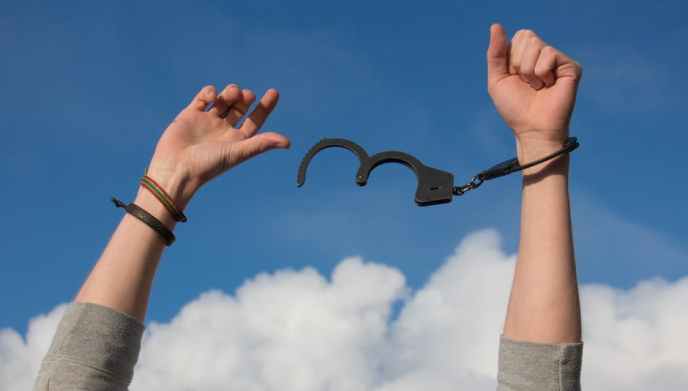
Eye Movement Desensitization and Reprocessing (EMDR) can dramatically reduce the symptoms associated with emotional and physical trauma. Read More...

Anger, grief, depression, stress, anxiety, loneliness, or sex addiction. Chances are you’ve experienced one or more of these conditions during this last week. Now you don’t have to face them alone. As a Therapist San Jose we are here to provide professional therapy.
In individual therapy, we are going to work together to improve your quality of life! We do so by first understanding what brought you to counseling and whether the current dilemma has occurred before. If so, were you able to resolve it in the past? If yes, how? In other words, what is different now?
Our objective is to move you forward. We will set the goals that you want to achieve and we will endeavor to meet them. Read More...
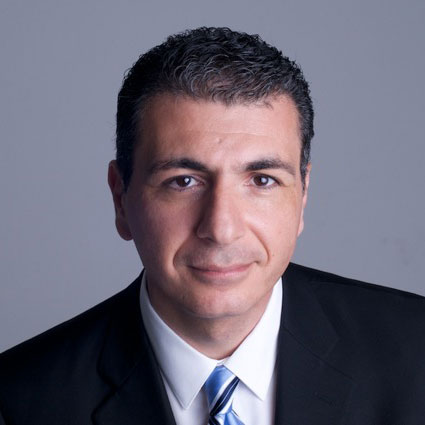
Dr. Invia A. Betjoseph is a licensed Marriage and Family Therapist, MFC 44618.
As a Psychotherapist, and a Certified Sex Addiction Therapist, he provides Psychotherapy, or Counseling and Sex Addiction Treatment for Sexual Addiction and Pornography or Porn Addiction.

© 2024 San Jose Counseling, Inc.
All Rights Reserved.